
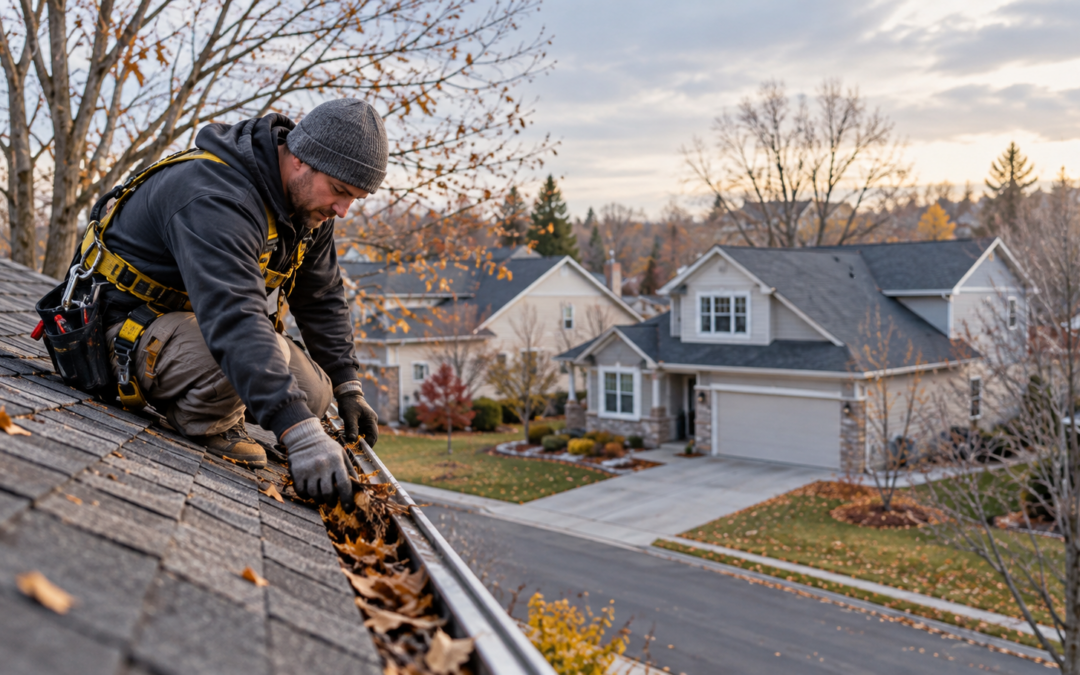
As temperatures begin to drop and winter weather approaches, homeowners should take time to prepare one of the most important parts of their property—the roof. A well-maintained roof protects the home from snow, ice, wind, moisture, and freezing temperatures. Small roofing problems that go unnoticed during warmer months can become major issues when exposed to harsh winter conditions. Scheduling roof maintenance before winter arrives helps identify potential concerns, prevent costly repairs, and ensure your home remains protected throughout the season.
Prevent Costly Roof Repairs
Regular roof maintenance is one of the most effective ways to prevent expensive damage. Small problems such as loose shingles, minor leaks, or damaged flashing can quickly become larger issues when winter weather arrives. Snow accumulation, freezing temperatures, and moisture can worsen existing damage and lead to costly repairs. Addressing these concerns early helps homeowners avoid unexpected expenses and extend the life of their roofing system.
Inspect for Damaged or Missing Shingles
Shingles provide an essential layer of protection against water and weather exposure. Before winter begins, homeowners should inspect their roofs for cracked, curling, loose, or missing shingles. Damaged shingles can allow moisture to enter the home, leading to leaks, insulation problems, and interior damage. Replacing compromised shingles before winter helps maintain a strong barrier against the elements.
Check for Roof Leaks
Roof leaks can become especially problematic during winter because freezing temperatures can slow drying and increase the potential for water damage. A professional roof inspection can identify signs of leaks that may not be obvious from the inside of the home. Checking areas around ceilings, attics, vents, and roof penetrations helps detect moisture problems before they become serious.
Clean and Inspect Gutters
Gutters play a major role in directing water away from the roof and foundation. Clogged gutters filled with leaves, dirt, and debris can prevent proper drainage and contribute to water buildup around the roofline. Before winter storms arrive, gutters should be cleaned and inspected for damage. Properly functioning gutters help prevent ice buildup, leaks, and water-related issues.
Remove Leaves and Debris From the Roof
Accumulated leaves, branches, and other debris can trap moisture against roofing materials and create conditions that encourage deterioration. Cleaning the roof surface before winter helps prevent unnecessary wear and improves drainage. Removing debris also allows homeowners and professionals to identify potential roofing problems more easily during inspections.
Inspect Flashing and Roof Seals
Flashing is used around areas such as chimneys, vents, skylights, and roof edges to prevent water intrusion. Over time, flashing can loosen, crack, or deteriorate due to weather exposure. Inspecting these areas before winter ensures that vulnerable points are properly sealed. Maintaining strong flashing helps protect the home from leaks during rain, snow, and ice events.
Prepare for Snow and Ice Accumulation
Winter weather can place significant stress on a roofing system. Heavy snow accumulation adds weight, while ice dams can prevent proper water drainage and cause leaks. Maintaining a healthy roof before winter helps ensure it can better handle these conditions. Proper attic insulation and ventilation also play important roles in preventing ice-related roofing issues.
Improve Attic Ventilation
A properly ventilated attic helps regulate temperature and moisture levels within the home. Poor ventilation can contribute to condensation, mold growth, and ice dam formation during colder months. Before winter arrives, homeowners should ensure attic ventilation systems are working properly. Good airflow helps protect roofing materials while improving overall energy efficiency.
Check Roof Insulation
Roof and attic insulation help maintain comfortable indoor temperatures and reduce energy costs. Insufficient insulation can allow heat to escape through the roof, contributing to uneven temperatures and winter-related issues. Evaluating insulation levels before the cold season helps improve home efficiency while supporting the long-term health of the roofing system.
Trim Nearby Tree Branches
Trees surrounding a home can pose risks to the roof during winter storms. Heavy snow, ice, and strong winds can cause branches to break and fall onto roofing materials. Trimming overhanging branches before winter reduces the risk of impact damage. It also helps prevent leaves and debris from accumulating on the roof and in gutters.
Protect Your Home From Water Damage
Water damage is one of the most common problems caused by roofing issues. Moisture that enters through damaged roofing materials can affect ceilings, walls, insulation, and structural components. Preventative roof maintenance helps create a reliable barrier against water intrusion. Taking care of roofing concerns before winter reduces the chance of costly interior repairs.
Improve Energy Efficiency
A properly maintained roof contributes to better energy efficiency throughout the winter months. Gaps, damaged materials, and poor insulation can allow heat to escape, forcing heating systems to work harder. Roof maintenance helps maintain consistent indoor temperatures and can contribute to lower energy costs during colder weather.
Schedule a Professional Roof Inspection
While homeowners can perform basic visual checks, professional roof inspections provide a more detailed evaluation. Experienced roofing professionals can identify hidden problems, assess the overall condition of the roof, and recommend necessary repairs. Scheduling an inspection before winter provides peace of mind and ensures potential issues are addressed before they are exposed to harsh conditions.
Extend the Life of Your Roofing System
Routine maintenance helps maximize the lifespan of a roof by preventing premature deterioration. Regular inspections, timely repairs, and seasonal preparation allow roofing materials to perform as intended. Investing in preventative care can delay the need for a full roof replacement and protect one of your home’s most important structural components.
Keep Your Home Protected All Winter Long
Preparing your roof before winter is an important step in protecting your home from seasonal challenges. From inspecting shingles and sealing leaks to improving drainage and ventilation, preventative maintenance helps ensure your roof is ready for cold temperatures and severe weather. By addressing roofing concerns before winter arrives, homeowners can reduce repair costs, improve comfort, and enjoy greater confidence knowing their home is protected throughout the season.