
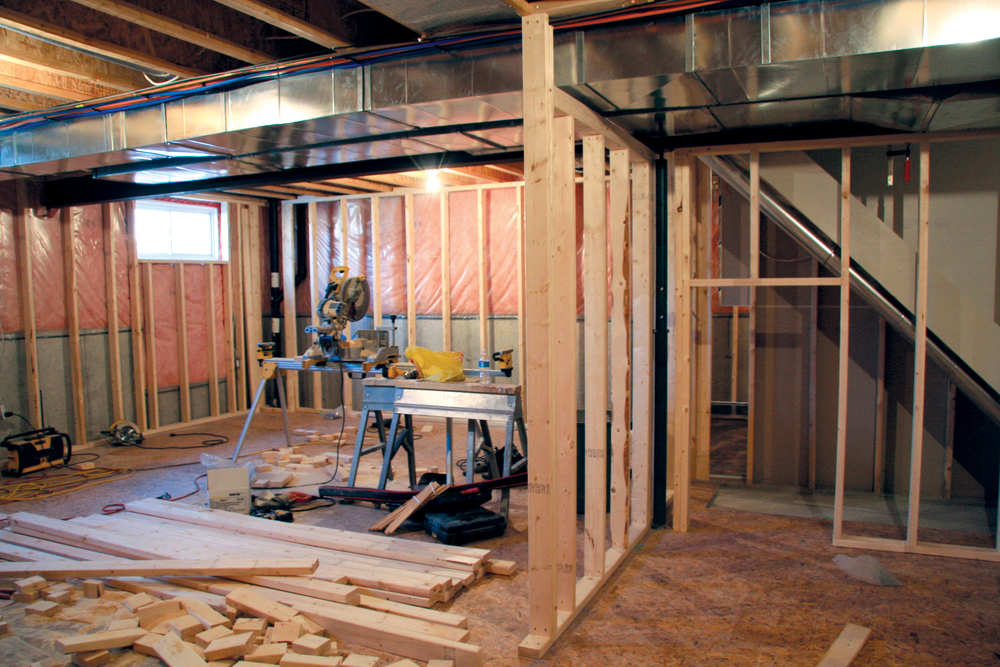
Taking on a full home renovation can be one of the most rewarding yet financially demanding projects a homeowner can pursue. Whether you’re upgrading your home for comfort, modernizing outdated features, or increasing resale value, proper budgeting is key to keeping your renovation on track. Without a clear financial plan, costs can quickly spiral out of control. By preparing ahead, researching thoroughly, and setting realistic goals, you can transform your home without breaking the bank.
Determine Your Renovation Goals
Before diving into numbers, it’s essential to define the scope of your renovation. Are you planning a complete remodel or just updating specific areas like the kitchen, bathrooms, or basement? Clarifying your goals helps you prioritize spending and allocate funds where they’ll have the most impact. Consider how each improvement aligns with your lifestyle and long-term plans—whether it’s creating more space for family gatherings, improving energy efficiency, or boosting property value for resale.
Assess Your Financial Situation
Once you’ve established your goals, take a close look at your finances. Determine how much you can comfortably afford to spend without overextending yourself. Review savings, income, and potential financing options such as home equity loans, lines of credit, or renovation-specific loans. A good rule of thumb is to leave some financial cushion to handle unexpected expenses. Setting a clear spending limit early on helps prevent stress and ensures that your renovation remains a positive investment.
Get Multiple Estimates
Costs can vary widely depending on materials, labor rates, and project complexity. Reach out to several reputable contractors for detailed estimates and compare their breakdowns. This not only helps you gauge fair market prices but also gives you a better understanding of where your money will go. Make sure each estimate includes labor, materials, permits, and potential disposal fees so there are no surprises later. Don’t automatically choose the lowest bid—look for value, experience, and reliability.
Include a Contingency Fund
Even with careful planning, renovation projects often come with surprises—hidden water damage, outdated wiring, or foundation issues can quickly increase costs. To protect your budget, set aside at least 10–20% of your total budget as a contingency fund. This safety net ensures that you can handle unexpected problems without derailing your entire renovation plan. If you don’t end up needing it, you’ll have extra funds for finishing touches or future projects.
Research Material Costs and Alternatives
Material choices can significantly affect your budget. High-end finishes like marble countertops or custom cabinetry can quickly add up. Compare options and consider where you can save without compromising quality. For example, laminate or quartz can mimic natural stone at a lower price, and stock cabinets can be upgraded with custom hardware for a similar look. Visiting local suppliers, exploring seasonal discounts, and buying materials in bulk can also help stretch your budget further.
Plan for Permits and Fees
Many homeowners forget to account for building permits, inspections, and professional design fees, which can add up depending on your project’s size and location. Before starting construction, check with your local municipality to find out what permits are required. Factor in these costs during your initial budgeting phase to avoid delays or fines later. Working with experienced contractors who understand local regulations can streamline the process and help you stay compliant.
Monitor Expenses Throughout the Project
Once the renovation begins, keep a close eye on spending. Track every invoice, payment, and purchase to ensure you stay within budget. Small changes or upgrades can add up quickly, so communicate regularly with your contractor about costs and progress. Using a budgeting app or spreadsheet can help you visualize where your money is going and catch overspending before it becomes a problem. Staying organized allows you to make informed decisions as the project moves forward.
Think Long-Term About Value
A well-planned renovation should enhance both your daily life and your home’s resale potential. Consider how your design and material choices will hold up over time. Durable, energy-efficient, and timeless upgrades tend to offer the best return on investment. Avoid overly trendy designs that may date quickly, and focus on improvements that will stand the test of time—such as upgraded insulation, modern appliances, or quality flooring.
Budgeting for a full home renovation doesn’t have to be overwhelming. By setting clear goals, planning for contingencies, and making informed financial decisions, homeowners can achieve stunning results without overspending. A thoughtful budget not only keeps your project on track but also ensures that every dollar contributes to lasting value and comfort. With careful preparation and smart choices, your home renovation can be both financially manageable and deeply rewarding.