
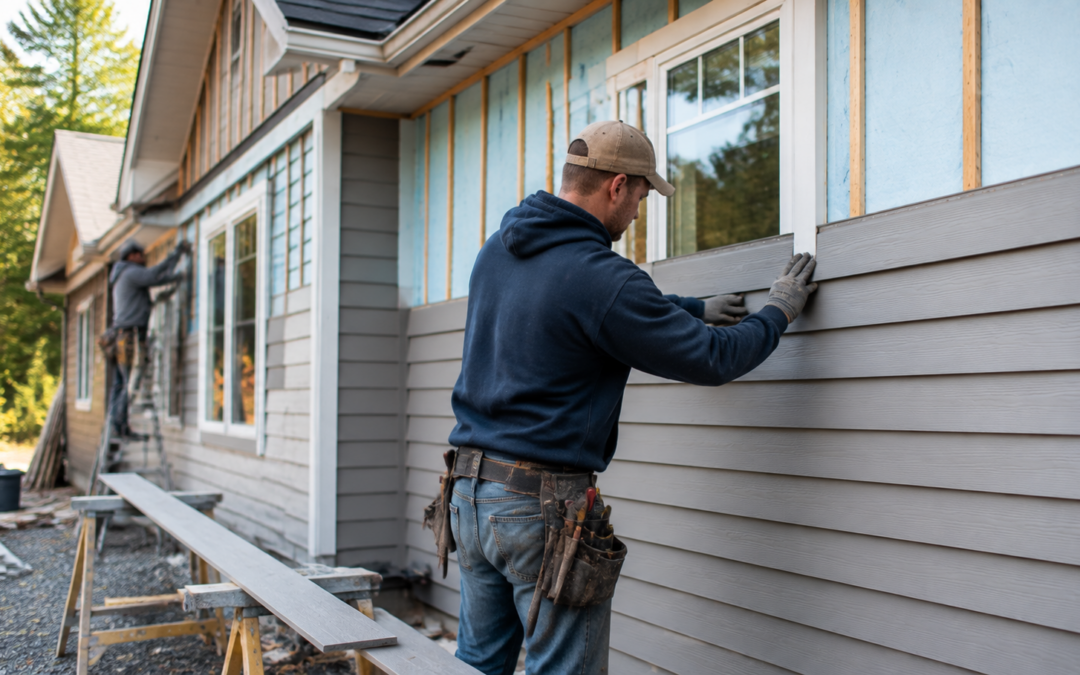
Siding installation is one of the biggest exterior projects a homeowner can take on. New siding can improve curb appeal, protect your home from the elements, increase energy efficiency, and reduce long-term maintenance. Before you begin, it’s important to understand your options, budget, timeline, and the steps needed to make the project successful.
Understand Why Siding Matters
Siding does more than make your home look good. It acts as a protective barrier against rain, wind, moisture, pests, and temperature changes. When siding is damaged, loose, warped, or poorly installed, your home may be more vulnerable to water damage, mold, rot, and higher energy costs.
Know When It’s Time to Replace Your Siding
Some siding problems can be repaired, but others may point to the need for full replacement. Cracks, fading, bubbling, warping, soft spots, loose panels, mold, mildew, and rising energy bills can all be signs that your siding is no longer performing well. If you notice damage across multiple areas of the home, replacement may be a better long-term solution than repeated repairs.
Compare Different Siding Materials
There are several siding materials to choose from, and each one has different benefits. Vinyl siding is popular for affordability and low maintenance, while fiber cement offers durability and a more premium look. Wood, engineered wood, metal, and composite siding can also be good options depending on your home’s style, climate, budget, and maintenance preferences.
Think About Your Local Climate
Your local weather should play a major role in your siding choice. Homes in wet or humid areas need siding that resists moisture, while homes in hot, sunny climates may need materials that handle UV exposure well. If your area gets strong wind, snow, hail, or large temperature swings, durability and proper installation become even more important.
Set a Realistic Budget
Siding installation costs can vary based on the size of your home, material choice, labor, removal of old siding, repairs, trim, insulation, and design details. It’s smart to budget for more than just the siding panels themselves. Hidden damage, such as rotted wood or moisture problems beneath the old siding, can add to the final cost once the project begins.
Check What’s Behind the Existing Siding
Before new siding goes on, your contractor may need to inspect the wall sheathing, house wrap, insulation, flashing, and trim. This step is important because covering up damaged areas can lead to bigger problems later. Fixing underlying issues before installation helps protect your home and gives the new siding a stronger foundation.
Choose the Right Color and Style
Siding has a major impact on your home’s appearance, so choose a color and style carefully. Look at your roof, windows, doors, trim, stone, brick, landscaping, and neighborhood style before making a decision. A color that looks good on a small sample may look very different across the whole house, so it helps to view larger samples in natural light.
Understand the Installation Timeline
The timeline for siding installation depends on your home’s size, weather, material type, crew size, and whether repairs are needed. A smaller, simple project may move quickly, while a larger home or custom design may take longer. Weather delays are also possible, especially if rain, snow, or high winds affect safe installation.
Prepare Your Home Before Work Begins
A little preparation can make siding installation smoother. Move outdoor furniture, grills, planters, decorations, and vehicles away from the work area so crews have room to move. Inside the home, remove fragile items from walls because hammering and vibration may cause pictures, mirrors, or shelves to shift.
Ask About Permits and Local Rules
Some areas require permits for siding installation, especially if structural repairs, insulation changes, or exterior alterations are involved. Homeowners associations may also have rules about siding materials, colors, and design choices. Before work begins, make sure permits and approvals are handled so the project does not face delays or compliance issues.
Pay Attention to Ventilation and Moisture Control
Good siding installation should allow your home to manage moisture properly. House wrap, flashing, caulking, drainage gaps, and ventilation details all help prevent water from getting trapped behind the siding. Moisture control is one of the most important parts of the project because even high-quality siding can fail if water is not directed away correctly.
Hire a Qualified Siding Contractor
The quality of the installation matters just as much as the quality of the siding material. Look for a contractor with experience, proper licensing where required, insurance, references, clear estimates, and knowledge of the siding product you choose. A skilled installer can help prevent issues like gaps, buckling, leaks, poor alignment, and premature wear.
Review Warranty Details
Siding warranties can cover materials, finish, fading, defects, or workmanship, depending on the product and contractor. Before signing a contract, ask what is covered, how long coverage lasts, and what could void the warranty. Proper installation and regular maintenance are often required to keep warranty protection valid.
Plan for Long-Term Maintenance
Different siding materials require different levels of care. Vinyl may need occasional washing, fiber cement may need repainting over time, and wood siding may require staining, sealing, or repairs to prevent rot. Understanding maintenance before you install siding helps you choose a material that fits your lifestyle and budget.
Start Your Siding Project With Confidence
Siding installation is a major investment, so it pays to plan before the first panel goes up. By choosing the right material, setting a realistic budget, checking for hidden damage, preparing your home, and hiring a qualified contractor, you can avoid common problems and get better long-term results. With the right approach, new siding can protect your home, improve curb appeal, and give your exterior a fresh, lasting upgrade.