
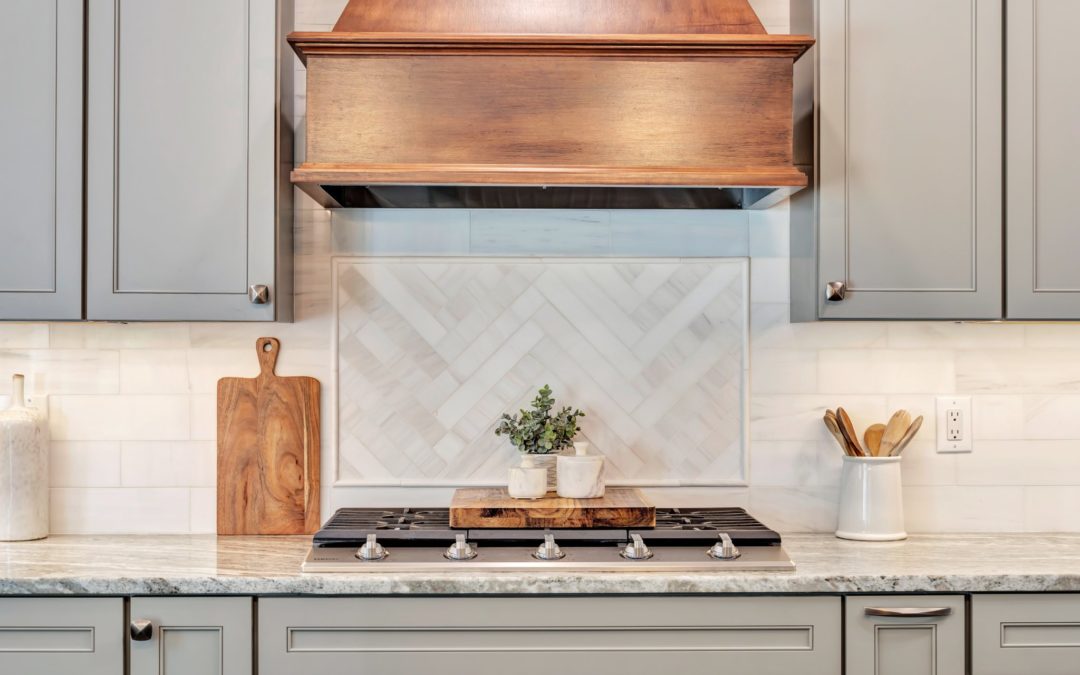
The kitchen is often considered the heart of the home, but it is also one of the most energy-intensive spaces in any house. From refrigerators and ovens to lighting and water usage, kitchens consume a significant amount of electricity and resources every day. An outdated kitchen may contain inefficient appliances, poor lighting, and older materials that contribute to higher utility bills and unnecessary energy waste. A kitchen remodel offers homeowners the opportunity to modernize the space while improving energy efficiency and reducing long-term operating costs. By making smart design choices and incorporating energy-saving upgrades, homeowners can create a kitchen that is both beautiful and environmentally responsible.
Upgrading to Energy-Efficient Appliances
One of the most impactful ways a kitchen remodel improves energy efficiency is through the installation of modern appliances. Older refrigerators, dishwashers, and ovens often consume far more electricity than newer models designed with energy-saving technology.
ENERGY STAR® certified appliances use less energy and water while maintaining excellent performance. Modern refrigerators feature improved insulation and compressors, while newer dishwashers use advanced cleaning systems that reduce water consumption. Energy-efficient appliances not only lower monthly utility bills but also reduce the home’s overall environmental footprint.
Improving Kitchen Lighting
Lighting plays a major role in kitchen energy usage. Traditional incandescent bulbs consume more electricity and generate excess heat compared to newer lighting options. During a kitchen remodel, homeowners can replace outdated fixtures with energy-efficient LED lighting.
LED bulbs use significantly less energy and last much longer than traditional bulbs, reducing replacement costs over time. Remodels also provide an opportunity to improve lighting placement with recessed lights, under-cabinet lighting, and dimmer switches. Better lighting design creates a brighter, more functional kitchen while minimizing unnecessary energy use.
Enhancing Natural Light
A kitchen remodel can also improve energy efficiency by maximizing natural light. Larger windows, skylights, or glass doors allow more sunlight to enter the space, reducing the need for artificial lighting during the day.
Natural light makes the kitchen feel more open and inviting while helping homeowners conserve electricity. Strategically placed windows can also improve ventilation and airflow, reducing dependence on cooling systems during warmer months. Incorporating daylight into the kitchen design creates both aesthetic and practical benefits.
Installing Energy-Efficient Windows
If the kitchen remodel includes replacing windows, choosing energy-efficient models can significantly improve insulation and reduce energy loss. Older windows may allow drafts, heat transfer, and air leaks that force heating and cooling systems to work harder.
Modern double-pane or triple-pane windows provide better insulation and temperature control. Features such as low-emissivity glass coatings help regulate indoor temperatures by reducing heat gain in summer and heat loss in winter. Energy-efficient windows contribute to a more comfortable kitchen environment year-round.
Upgrading Insulation and Sealing Air Leaks
Kitchen remodels often expose walls, ceilings, and flooring, making it an ideal time to improve insulation and seal gaps where air may escape. Proper insulation helps maintain consistent indoor temperatures and reduces the strain on HVAC systems.
Sealing cracks around windows, doors, plumbing penetrations, and electrical outlets prevents drafts and energy waste. These improvements may not always be visible after the remodel is complete, but they can make a major difference in overall energy performance and utility savings.
Choosing Sustainable Materials
Energy efficiency extends beyond appliances and utilities. Selecting sustainable and eco-friendly materials during a kitchen remodel can contribute to a greener home overall. Many modern materials are designed to reduce environmental impact while offering long-lasting durability.
Cabinets made from recycled or responsibly sourced wood, low-VOC paints, and sustainable flooring options are all environmentally conscious choices. Durable materials also reduce the need for frequent replacements, helping homeowners minimize waste and long-term renovation costs.
Installing Water-Efficient Fixtures
Kitchens use a substantial amount of water for cooking, cleaning, and dishwashing. Upgrading to water-efficient fixtures during a remodel can help reduce water consumption without sacrificing convenience.
Low-flow faucets and touchless fixtures help conserve water while improving functionality. Many modern faucets are designed to maintain strong water pressure while using less water overall. Water-saving improvements not only benefit the environment but can also lower monthly utility bills over time.
Adding Smart Kitchen Technology
Smart home technology has become increasingly popular in modern kitchen remodels, and many of these features contribute to greater energy efficiency. Smart thermostats, lighting systems, and appliances allow homeowners to monitor and control energy usage more effectively.
For example, smart lighting systems can automatically turn off lights when they are not in use, while smart refrigerators and ovens may include energy-saving settings. Homeowners can even monitor appliance performance remotely through smartphone apps. These technologies help reduce wasted energy while adding convenience to daily routines.
Improving Ventilation Systems
Proper ventilation is essential in any kitchen, especially when cooking appliances generate heat, smoke, and moisture. Older ventilation systems may operate inefficiently or fail to remove excess heat effectively, causing cooling systems to work harder.
During a kitchen remodel, homeowners can install modern range hoods and ventilation systems designed for improved energy performance. Efficient ventilation helps maintain indoor air quality and temperature control while reducing strain on the home’s HVAC system.
Designing a More Functional Layout
A well-designed kitchen layout can also contribute to energy efficiency. Poorly arranged appliances and workspaces may create unnecessary movement, overcrowding, or inefficient use of resources.
During a remodel, homeowners can optimize the kitchen workflow by placing appliances strategically and improving overall functionality. For example, locating the refrigerator away from direct sunlight or heat-producing appliances helps it operate more efficiently. Thoughtful design choices improve comfort while supporting energy-saving goals.
Increasing Long-Term Home Value
Energy-efficient upgrades are highly attractive to modern homebuyers. A remodeled kitchen with efficient appliances, updated lighting, and sustainable features can increase the overall value and appeal of the home.
Buyers are often willing to pay more for homes with lower operating costs and environmentally friendly improvements. Investing in an energy-efficient kitchen remodel not only benefits homeowners immediately through reduced utility bills but may also provide strong returns when it comes time to sell the property.
Final Thoughts
A kitchen remodel offers far more benefits than simply improving appearance and functionality. By incorporating energy-efficient appliances, lighting, insulation, windows, and smart technology, homeowners can significantly reduce energy consumption and lower utility costs. Sustainable materials and water-saving fixtures further enhance the kitchen’s environmental impact while creating a modern and comfortable living space. Whether planning a small upgrade or a complete renovation, focusing on energy efficiency can lead to long-term savings, increased home value, and a more eco-friendly lifestyle. A thoughtfully designed kitchen remodel is an investment that benefits both homeowners and the environment for years to come.